Bone Density (DEXA) — measuring the strength inside your skeleton
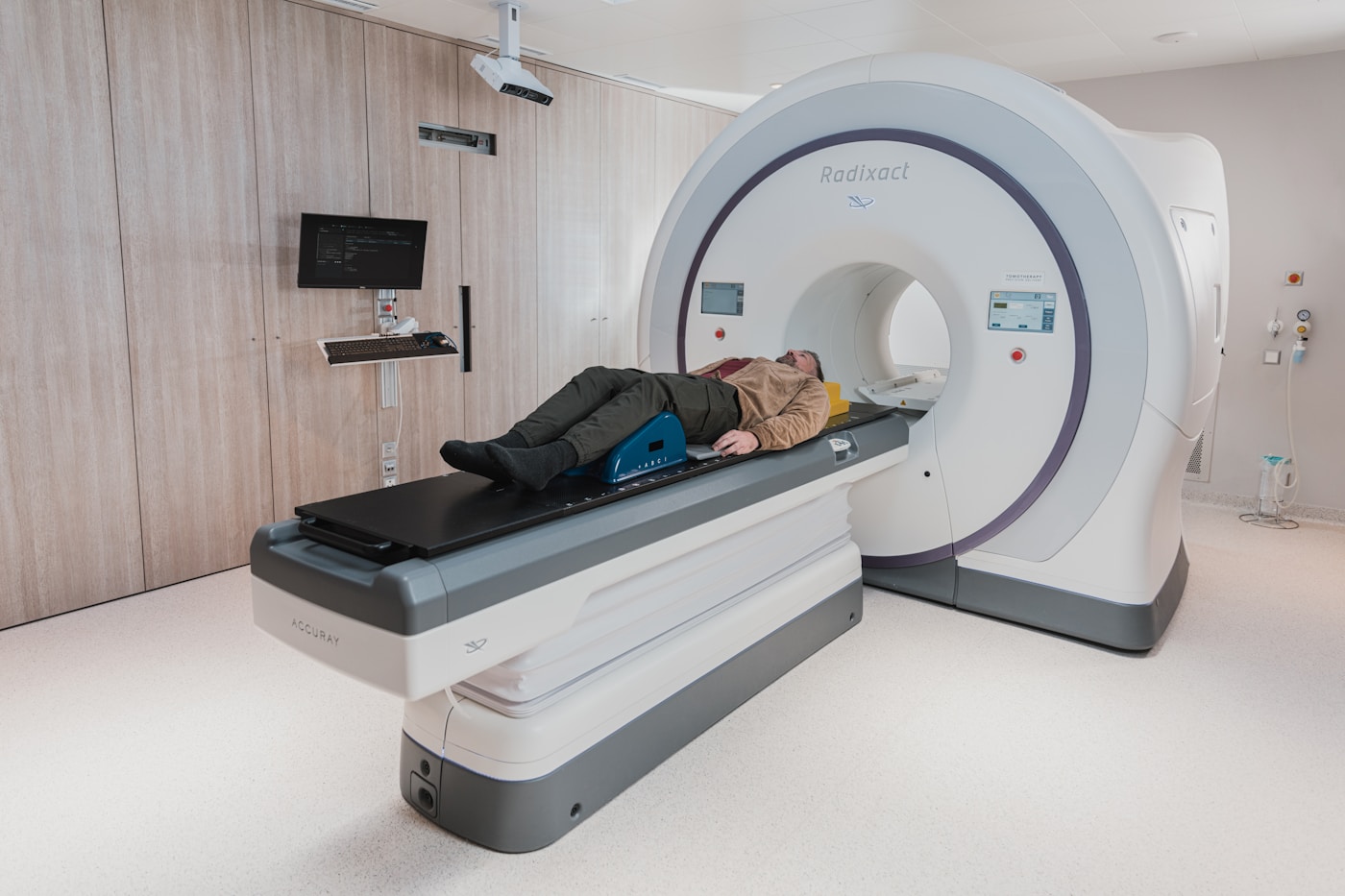
DEXA (dual-energy X-ray absorptiometry) uses two very low-dose X-ray beams to measure mineral content in bone — primarily at the lumbar spine and hip. The test takes roughly 10–15 minutes, produces no discomfort, and delivers radiation far below a standard chest X-ray.
(904) 771-1116The Test Explained
What does DEXA measure?
DEXA produces a T-score — a comparison of your bone mineral density (BMD) against a young healthy adult of the same sex at peak bone mass. A T-score between +1 and −1 is normal. Between −1 and −2.5 indicates osteopenia (low bone density). At −2.5 or below, the diagnosis is osteoporosis.
A Z-score compares you against someone your own age and sex — useful for identifying whether bone loss is beyond what is expected for your demographic.
Your FMR clinician uses DEXA results alongside labs (calcium, vitamin D, PTH), fall risk assessments, and medication reviews to create a complete picture of your fracture risk.
Screening Criteria
Who should have a DEXA scan?
Women age 65 and older
Universal screening regardless of risk factors — covered by Medicare Part B.
Men age 70 and older
Screening recommended; Medicare coverage available for at-risk men.
Younger women with risk factors
Postmenopausal women under 65 with low body weight, smoking history, family history of hip fracture, or long-term steroid use.
Adults after a fragility fracture
A fracture from a minor fall or everyday activity that should not have broken a bone — a strong signal of low bone density.
Long-term steroid therapy
Prednisone or equivalent ≥5 mg/day for 3+ months significantly reduces bone mineral density.
Certain chronic conditions
Inflammatory arthritis, malabsorption syndromes, hyperparathyroidism, and others that affect calcium metabolism.
Before Your Exam
Preparing for your DEXA scan
Do not take calcium supplements the morning of your exam (calcium can artificially raise readings).
Wear comfortable, loose-fitting clothing. Avoid clothes with metal fasteners, zippers, or underwire near the hip or spine area.
No contrast dye is used — no injections, no fasting.
Inform the technologist if you have had a barium study or nuclear medicine scan in the past week.
Tell us if there is any chance you may be pregnant.
Connected Care
What happens after your scan?
DEXA results feed directly into your broader care plan — whether that means medication adjustments, nutritional supplementation, physical therapy referral, or equipment to reduce your fall risk.
Bone health is chronic disease care
Osteoporosis management — including bisphosphonate therapy, vitamin D protocols, and fall prevention — is coordinated through our chronic disease team.
Chronic Disease →Reducing fall risk with DME
Low bone density combined with fall risk may indicate a need for canes, walkers, grab bars, or orthotics — all of which we can prescribe and coordinate through our DME program.
DME Services →Ready to check your bone health?
Ask your clinician at your next visit, or call us to discuss whether a DEXA scan is right for you.