Emergency symptoms — crushing chest pain, sudden weakness, worst headache of your life, uncontrolled bleeding — call 911. This office is not an emergency department.
← Imaging Overview
Patient Preparation Guide
How to prepare for your imaging exam
Good preparation means better image quality, fewer repeat scans, and a smoother visit. Select your exam type below to see exactly what to do before you arrive.
Expand any section
Preparation by exam type
Arrive early
Plan to arrive 10–15 minutes before your scheduled time. Bring a valid photo ID and your insurance card.
Bring your order
We need the imaging order from your referring clinician. If you received a fax confirmation, bring that as well.
Prior imaging
If you have relevant prior films or reports from another facility, bring them or have them sent in advance so our radiologist can compare.
Medications
Unless you are told otherwise, take your routine medications as normal before your appointment.
Jewelry and valuables
Leave metal jewelry, piercings, and valuables at home where possible. You will be asked to remove them before the exam.
Pregnancy
Always tell our team if there is any chance you could be pregnant. Many imaging studies require risk-benefit discussion or protocol modification for pregnant patients.
Fasting
Not required for standard X-rays.
Clothing
Wear comfortable clothes without metal snaps, zippers, or underwire near the area being imaged. You may be given a gown.
Jewelry
Remove earrings, necklaces, and any piercing in the field of the exam.
Timing
Most X-ray studies take 5–15 minutes including positioning.
Fasting (NPO)
Nothing by mouth for 6–8 hours before the exam. Water to take medications is acceptable.
Why fasting matters
Food and gas in the bowel block ultrasound waves and obscure the gallbladder, making assessment unreliable. Fasting reduces bowel gas and allows the gallbladder to fill, giving the best image quality.
Medications
Take your usual medications with a small sip of water unless specifically told otherwise.
Note: If you arrive without fasting for an abdominal exam, your appointment may need to be rescheduled.
Full bladder
Drink 32 oz (four 8-oz glasses) of water 1 hour before your appointment and do not urinate. A full bladder pushes the small bowel out of the pelvis and creates an acoustic window for visualization.
Transvaginal protocol
If a transvaginal component is ordered, a full bladder is not required for that portion. Our team will guide you through the protocol at check-in.
Timing
Arrival with a comfortably full bladder is important — arrive no more than 30 minutes before your exam time.
Fasting
Generally not required for non-contrast CT, though some abdominal CT protocols prefer a 2-hour light fast. Confirm at scheduling.
Clothing
Wear loose, comfortable clothing without metal. You may receive a gown depending on the body part.
Medications
Continue your regular medications unless told otherwise.
Timing
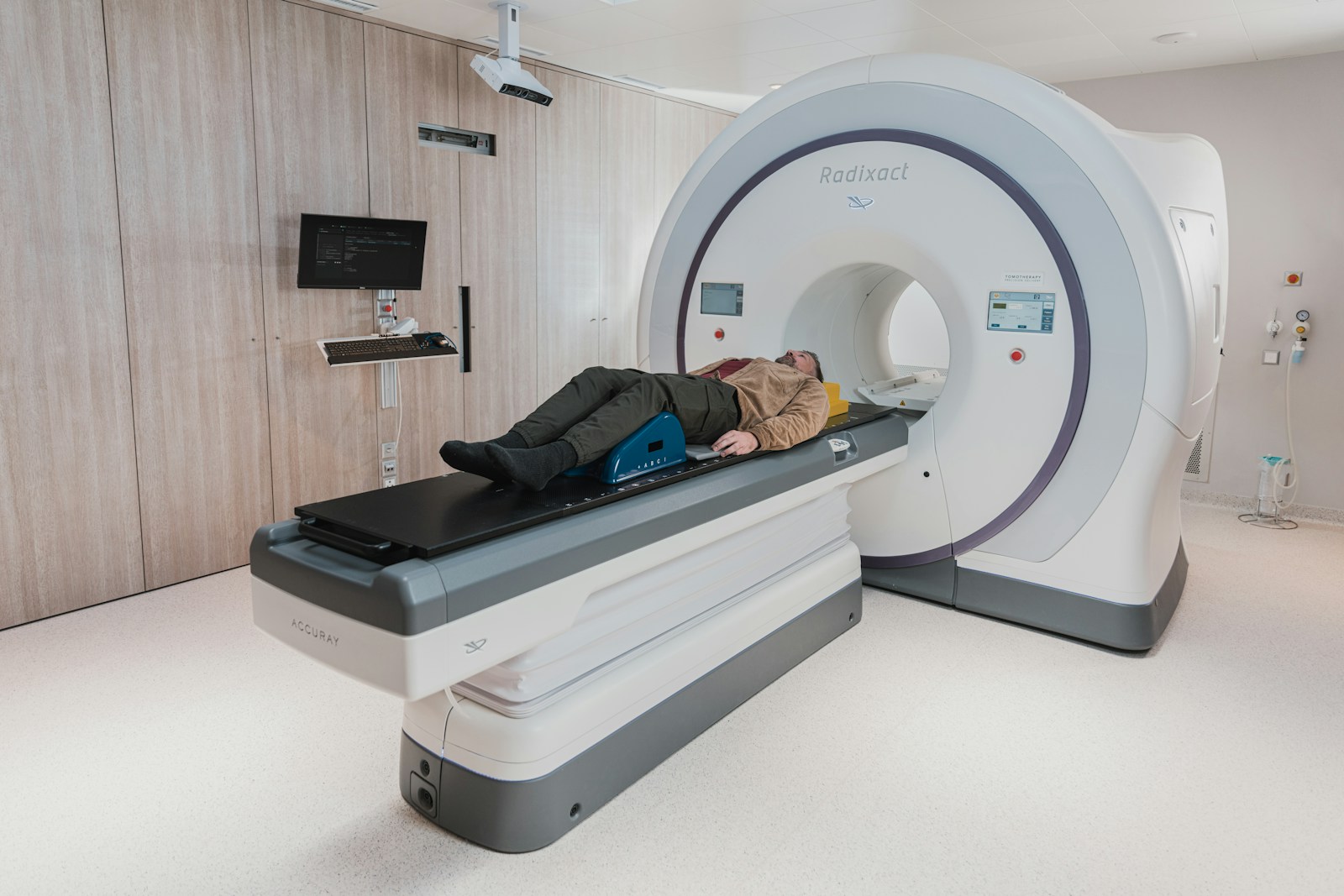
Most CT exams take 15–30 minutes including positioning and scanning. The scanner bore is open-bore style — if you have concerns about claustrophobia, speak with our team in advance.
Kidney function check
A recent serum creatinine or eGFR (within 6 weeks) is required before IV iodinated contrast is administered. If we do not have this on file, a point-of-care test can be run the day of your exam.
Metformin
Hold metformin (Glucophage) on the day of the exam and for 48 hours afterward. Restart only after kidney function is confirmed normal. Bring your medication list.
Allergy history
Tell us in advance about any prior reaction to IV contrast. If you have had a prior moderate or severe reaction, pre-medication with steroids and antihistamines is typically required starting the day before.
Hydration
Drink 16–32 oz of water in the 2–4 hours before your exam unless on fluid restriction.
Fasting
Nothing by mouth for 4 hours for contrast-enhanced abdominal/pelvic studies.
IV placement
A short IV line will be placed in your arm. Contrast is injected through this line during scanning and flushed out quickly.
Note: Iodinated contrast is generally very safe. Mild transient flushing, warmth, and metallic taste are common and resolve quickly.
Oral contrast schedule
You will receive a contrast drink to consume before your exam — often 1–2 hours in advance. Follow the specific schedule provided at scheduling; it varies by exam type.
Fasting
Typically nothing by mouth except the prescribed contrast drink for 4 hours before the exam.
Combined IV + oral
Many abdominal/pelvic CT exams use both oral and IV contrast. Both sets of instructions apply. Confirm your complete protocol at scheduling.
Calcium supplements
Do not take calcium supplements the morning of your exam. Calcium can interfere with bone mineral density readings.
Clothing
Wear loose, comfortable clothing without metal near the hip or spine. Avoid belts, jeans with heavy metal rivets, and underwire bras if the thoracic spine is part of the study.
No contrast or injection
DEXA requires no injection, no dye, and no fasting. It is one of the simplest exams to prepare for.
Prior nuclear or barium studies
Inform us if you have had a barium study, nuclear medicine scan, or other imaging using radioactive tracers within the past 7 days — these can temporarily affect DEXA readings.
Hydration
Drink extra fluids (water, juice) for 24 hours after IV contrast to help your kidneys clear the dye. 64+ oz of total fluids is a reasonable target for most patients.
Metformin restart
Wait 48 hours before restarting metformin. A creatinine recheck may be required. Your clinician's team will advise.
Delayed reactions
Mild itching or hives can occasionally appear 1–48 hours after contrast. If you notice significant skin reaction, swelling, or difficulty breathing, seek immediate medical attention.
Breastfeeding
Most radiology guidelines now consider iodinated contrast safe to continue breastfeeding without interruption. Discuss any concerns with your clinician before the exam.
Note: Severe contrast reactions are rare (< 0.1% of IV contrast studies). Our team is trained in contrast reaction management.
Still have questions about prep?
Our scheduling team can walk you through the exact requirements for your exam.
Ready to schedule?
Call us to book your imaging appointment or discuss which study is right for your needs.